Silver investors often notice something strange when comparing bullion products. Two pieces of silver may contain exactly the same amount of metal, yet the coin almost always costs more than the bar.
At first glance that seems odd. After all, both products may contain one troy ounce of silver. The difference comes down to how coins are produced, how they trade in the market, and how investors value them.
Coins Are More Expensive to Produce
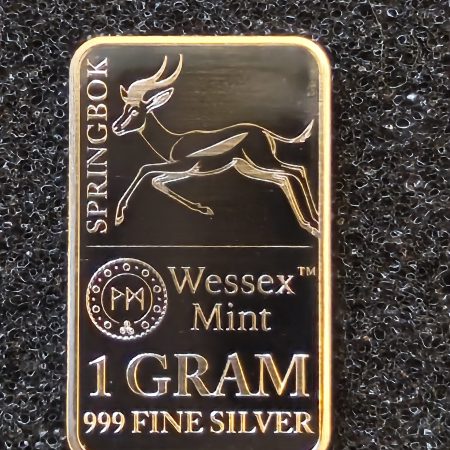
Most silver bars are produced using relatively simple casting methods. Molten silver is poured into moulds, cooled, stamped with identifying marks, and then packaged for sale.
Coins are very different.
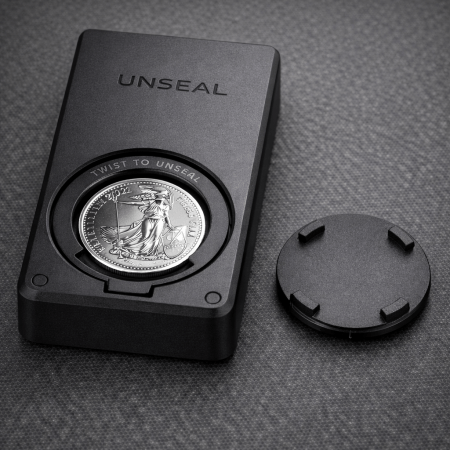
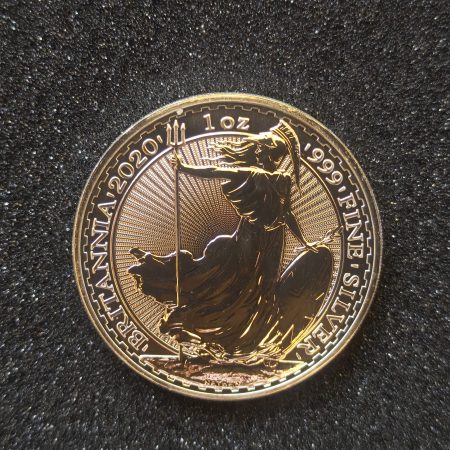
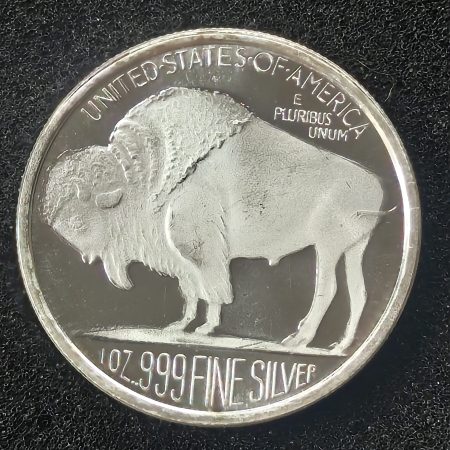
Investment coins such as Britannias, Maple Leafs or American Silver Eagles are struck rather than cast. This involves precision-machined dies, high-pressure presses, and strict quality control. The designs are also far more detailed, which requires additional manufacturing steps.
These extra processes add cost before the coin even reaches the market.
Government Mints vs Private Refineries
Many of the world’s most popular silver coins are produced by government mints. These include:
-
The Royal Mint (Britannia)
-
The Royal Canadian Mint (Maple Leaf)
-
The U.S. Mint (Silver Eagle)
Government mints often operate with tighter production limits and higher operating costs than private refineries. As a result, the wholesale price of newly minted coins is typically higher than comparable silver bars produced by private refiners.
Coins Often Carry Legal Tender Status
Another difference is that many bullion coins are technically legal tender in their country of origin. For example, a one-ounce Britannia coin carries a nominal face value in pounds.
While nobody buys bullion coins to spend them as currency, this legal tender status provides an additional layer of authenticity and government backing that many investors find appealing.
Bars, on the other hand, are simply refined metal products.
Investor Demand and Liquidity
Coins are also extremely popular with investors, collectors, and stackers. Because they are widely recognised and easy to trade, they often have stronger demand in the secondary market.
This demand means coins tend to carry higher premiums over the spot price of silver, particularly during periods when physical supply becomes tight.
Bars usually trade closer to the underlying metal price because they are produced in larger volumes and have less collector appeal.
Premiums Reflect the Real Bullion Market
The key point is that the silver spot price represents the raw metal value, not the cost of producing finished bullion products.
Once refining, minting, packaging, transport, and dealer distribution are factored in, coins and bars naturally trade above the spot price. Coins simply carry higher premiums because they involve more work to produce and stronger investor demand.
For buyers deciding between the two, the choice often comes down to personal preference. Bars usually offer the lowest premium per ounce, while coins provide recognisable designs, government minting, and strong liquidity in the global bullion market.