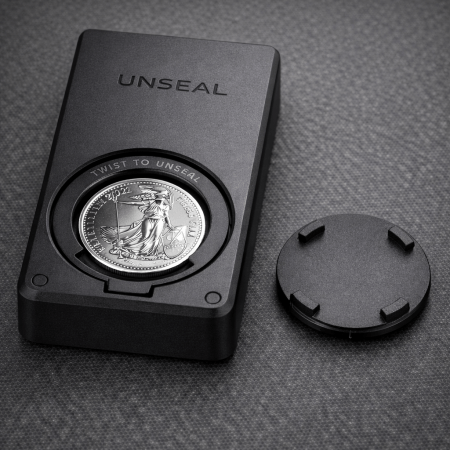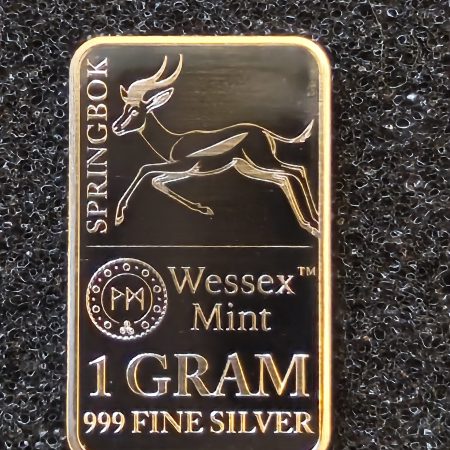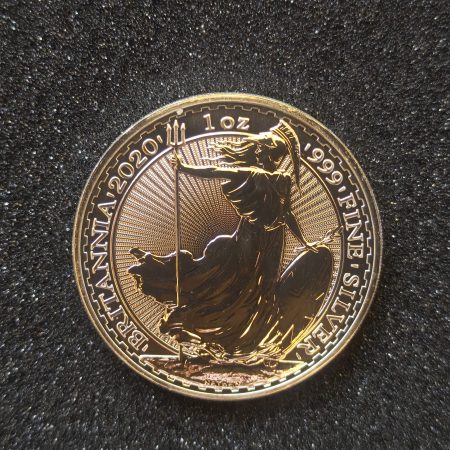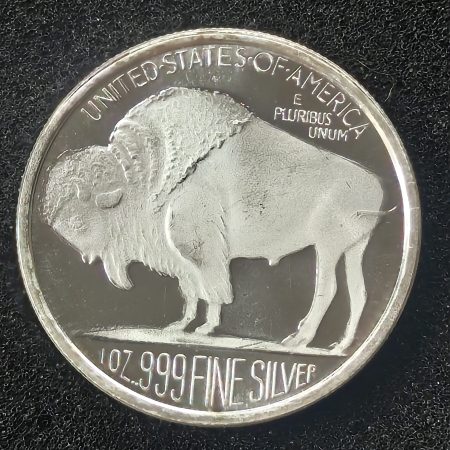
Many people who start researching silver investing notice something confusing almost immediately. Financial websites might show the spot price of silver, yet when they try to buy a real coin or bar, the price is noticeably higher.
This difference often leads new investors to ask a simple question: Why does physical silver cost more than the price shown on charts?
The answer lies in the fundamental difference between financial silver markets and the real-world silver supply chain.
The Spot Price Is Only a Benchmark
The silver price shown on financial websites is usually the spot price. This price reflects large wholesale trades taking place in global financial markets. These transactions typically involve contracts between institutions rather than the purchase of physical metal that someone can hold.
In other words, the spot price represents a reference value for raw silver, not the retail price of finished bullion products.
Physical Silver Must Be Produced
Before silver becomes the coins and bars sold to investors, it must go through several stages. Silver is mined from the ground, refined into high purity metal, and then minted into investment-grade products.
Each of these steps adds real costs:
-
Mining and extraction
-
Refining and purification
-
Minting coins or casting bars
-
Packaging and authentication
-
Transport and secure storage
By the time silver reaches the retail market, it is no longer simply a raw commodity. It is a finished investment product, and those production costs are reflected in the final price.
Supply Chains and Real Demand
The physical silver market is also influenced by supply constraints. If demand for coins and bars increases quickly, mints and refiners may struggle to keep up with orders. When this happens, the premiums above spot can widen as buyers compete for limited supply.
This often occurs during periods of economic uncertainty, when investors turn to tangible assets as a store of value.
Paper Silver vs Physical Ownership
“Paper silver” generally refers to financial instruments that track the price of silver rather than delivering actual metal. Examples include futures contracts, exchange-traded funds (ETFs), and other derivatives.
These instruments can be useful for trading or speculation, but they are fundamentally different from owning bullion. With paper silver, investors hold a financial claim linked to the metal price rather than possessing the metal itself.
Physical silver, on the other hand, represents direct ownership of a tangible asset.
Bridging the Gap with Digitally Allocated Metal
Modern bullion platforms are beginning to bridge the gap between physical ownership and digital convenience. At HC Bullion, digital metal balances are fully backed by real physical bullion, allowing investors to gain exposure to precious metals without the logistical challenges of personal storage.
Each digital holding represents metal that is physically held and accounted for, providing the benefits of online access while maintaining the security of real bullion ownership.
The Bottom Line
The difference between paper silver prices and physical silver prices ultimately comes down to reality versus reference. The spot price is simply a financial benchmark, while the price of physical silver reflects the true cost of producing, delivering, and securing real metal.
For investors who value certainty of ownership and tangible assets, that difference is often well worth paying.